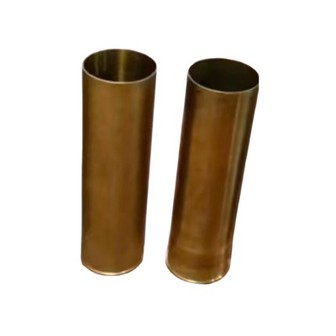
Understanding the Technical Structure and Functionality of Hardware Components
Hardware components are designed with precision and purpose to meet the demanding requirements of various industries. These components, which include fasteners, hinges, brackets, connectors, and more, are often subjected to rigorous mechanical and environmental conditions. The technical structure and working principles of these components are critical in ensuring that they perform optimally and last for the desired lifespan.
Most hardware components are made from high-strength materials, such as stainless steel, aluminum, or high-grade alloys. These materials are chosen for their ability to withstand the stresses and strains imposed on the components during normal use. For instance, stainless steel is widely used in construction and automotive hardware due to its resistance to corrosion and rust, making it ideal for outdoor applications. Similarly, aluminum is often used for lighter-weight components due to its high strength-to-weight ratio, making it a preferred material in automotive and aerospace industries.
The working principle of hardware components largely depends on the application they serve. Fasteners, such as screws, nuts, and bolts, are designed to hold two or more components together. These components function by applying a clamping force that holds parts in place, preventing movement or separation. The thread design of screws and bolts is critical for ensuring that they can resist vibrations and external forces, preventing loosening over time. For example, automotive fasteners must be designed to withstand high levels of heat and mechanical stress while maintaining their grip.
Hinges and brackets, used extensively in furniture and construction, operate on a simple mechanical principle. Hinges are designed to allow movement around a fixed axis, enabling doors, windows, and other movable parts to swing open and closed. The materials used for these components must offer both strength and flexibility to ensure smooth operation without wear. For example, heavy-duty hinges used in industrial doors must be made from high-strength steel to support the weight of the door while allowing for continuous movement.
Brackets, used in shelving systems and structural applications, serve to support and secure components in place. The technical design of a bracket must account for the weight it will bear and the environmental conditions it will face. In construction, brackets must be designed to resist bending, stretching, and corrosion to ensure the stability of the structures they support.
Motors and micro-motors, common in household appliances, operate on the principle of converting electrical energy into mechanical movement. These components rely on magnets and coils to generate a rotating force that drives mechanical parts such as gears or fans. The efficiency and durability of these micro-motors are crucial for ensuring that appliances function reliably over time.
In conclusion, the technical structure and working principles of hardware components are vital for ensuring that these products perform efficiently and meet the specific needs of various industries. From the materials used to the design of the components, every aspect plays a role in their overall performance and longevity. Understanding these technical details helps in selecting the right hardware for each application, ensuring that products are both reliable and efficient.