

Your Professional Stamped Metal Parts Manufacturer!
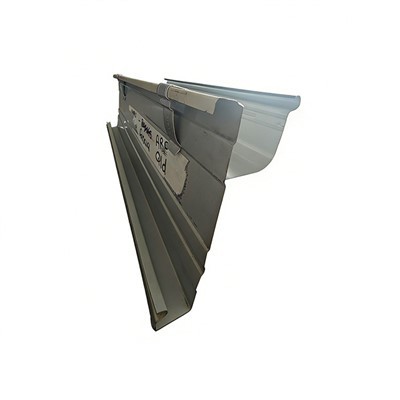
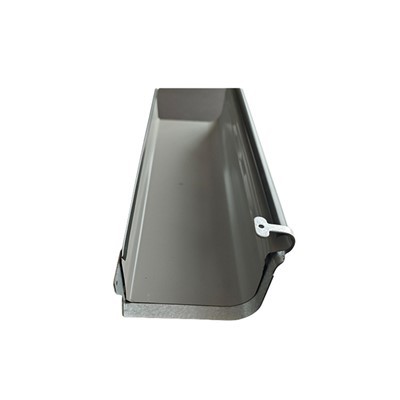
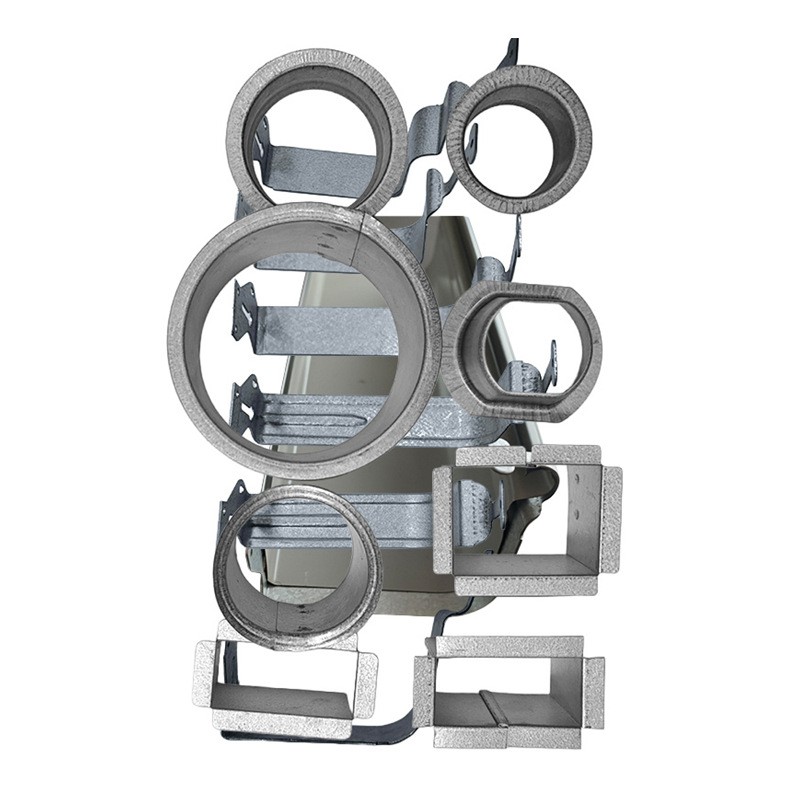
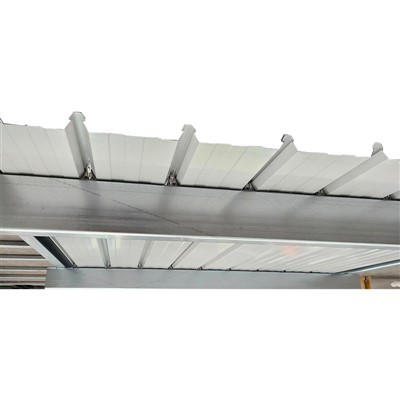
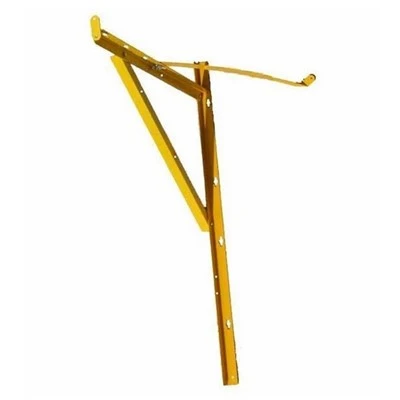
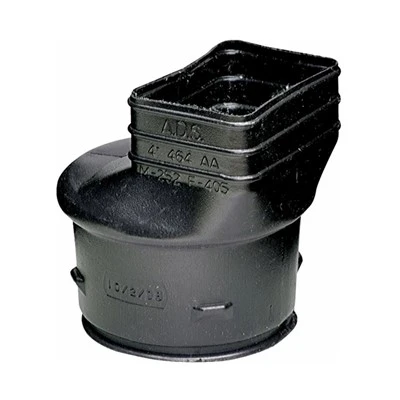
The company, formerly Yuyao Jinniu Stamping Parts Factory, has been deeply rooted in the mold industry for many years, specializing in the professional design and precision manufacturing of core products such as stamping molds, deep drawing molds, and progressive dies.Our Product: Architectural hardware fittings, automotive hardware fittings, small appliance hardware fittings, micro-motor hardware fittings, furniture hardware fittings, shelving hardware fittings.


Why Choose Us
Rich Experience
Our core team is led by senior engineers with over ten years of experience in the industry, supported by professional equipment such as high-precision CNC machining centers and fully automated stamping production lines.
Wide Application Of Technology
We precisely match customer drawings or sample requirements, providing customized hardware solutions from design optimization to mass production.
standardized production
EOur products are exported to core markets in Europe and Eastern Europe, including Australia, Russia, and Germany, earning high recognition from international customers for our stable quality and efficient delivery capabilities.
Stamped metal parts are components created by pressing and shaping flat sheets of metal into specific configurations using a mechanical or hydraulic press. This highly efficient, mass-production method transforms raw material through a series of actions like cutting, bending, and punching.

Material Compatibility
Stainless Steel: This alloy of steel and chromium has high corrosion resistance, excellent strength, and temperature resistance. It is available in several grades including some that are biocompatible for medical applications.
Aluminum: This is a soft metal with excellent formability and conductivity. It is lightweight, highly recyclable, resists corrosion and remains stable in low temperatures.
Steel: Steel is a ferrous (i.e., iron based) metal available in several forms including hot or cold rolled steel, low, medium, or high carbon steel, and various high-performance alloys.
Pre-galvanized steel: A zinc coating on the surface of steel improves corrosion resistance and reduces post-stamping metal finishing processes required.
Nickel-plated steel: This is a pre-plated material with higher corrosion resistance than zinc coatings or plating. It reduces post-stamping finishing needs.
Brass: A strong, durable, and highly conductive alloy of copper and zinc with good ductility, corrosion resistance, and antimicrobial properties.
Phosphor bronze: An alloy of copper, tin, and phosphorous that is elastic and malleable, highly conductive, and very resistant to corrosion and wear.
Beryllium copper: A copper alloy often used for high strength, high stress applications. It has high conductivity, is malleable and easy to form, and can be strengthened with heat treatment.
Application
Electronics:
Devices like smartphones, computers, and cameras have many small stamped parts inside. Metal stamping helps make these tiny pieces. You see stamped parts in printers, TVs, speakers, and smart home gadgets.
Automotive:
Cars and trucks need metal stamping for safety and strength. Stamped parts help make car frames, hold engines, and protect you in a crash.
Aerospace:
Airplanes need parts that are both light and strong. Metal stamping makes wing panels, body sections, and brackets. These parts help planes fly safely and use less fuel.
Healthcare:
Hospitals and clinics use tools that need stamped metal parts. These parts are found in medical devices that must be reliable and exact.
Metal Stamping Processes
Blanking
Blanking removes a workpiece from the original metal to create your designated form. It is the opposite of punching as the removed metal becomes the shape or blank.
01
Punching
Punching uses a die and a punch to cut sheet metal into your designated shape. Excess material is dispelled from the surface, and the remaining form creates your final part.
02
Bending
Metal sheet is bent and formed to match your shape specifications. The most common forms are L, U, or V-shapes as this process is accomplished by bending a material around a single axis.
03
Drawing
Using a compressive force, sheet metal is formed into a cavity or around the desired shape. Drawing is also sometimes referred to as forming.
04
Embossing
Embossing uses a die to apply a shape onto metal material, imprinting the pattern or design onto the workpiece.
05
Services & Capabilities
Design and Engineering
Advanced Design Engineering. Advanced software tools such as EdgeCAM and AutoCAD allow us to work with complex prototypes, new or existing product redesigns. or reverse engineering methods to produce the desired product.
Comprehensive Tooling Approach. Our expertise helps us offer optimal material and tool matching, run sizing, and specification assessments to ensure designs meet all cost constraints and address project-specific needs.
Prototyping Services. AIC provides prototyping services for our stamped metal components, including refinement and testing of the design before production begins.
Metal Stamping Techniques
Bending
Blanking
Coining
Forming
Piercing
Progressive Die Stamping
Shallow Draw Stamping
Secondary Operations
De-Burring
Drilling
Grinding
Heat Treating
Machining
Painting
Plating
Riveting
Tapping
Welding
Volume Flexibility
Our Company can handle orders of any size, from short runs to large-scale manufacturing.
Package & Delivery
1. Package: Standard export package or Custom
2. Delivery: By air express, by sea

fAQ
We are one of the most experienced stamped metal parts manufacturers and suppliers in China. With a professional production team, we are able to meet the needs of the majority of our customers. Please rest assured to buy customized stamped metal parts made in China here from our factory. Also, OEM service is available.
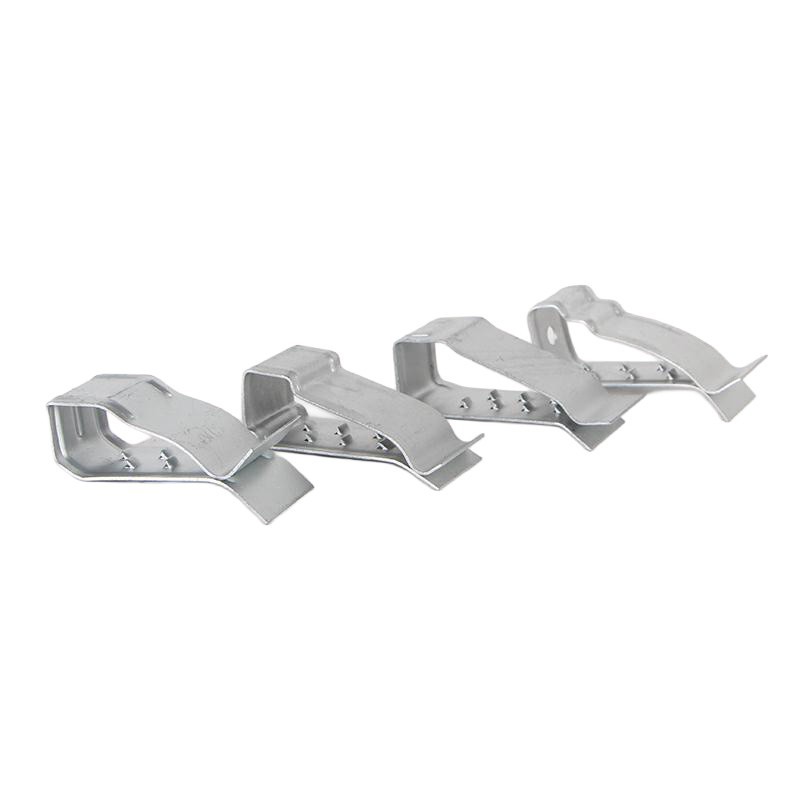
Building Fixing Clips, stamped metal parts, Top Rafter Brackets