

Precision Medical & Instrument Enclosures
Medical and instrument enclosures protect sensitive electronic assemblies while delivering the precise dimensions, structural integrity, and clean aesthetics required by medical and analytical environments.
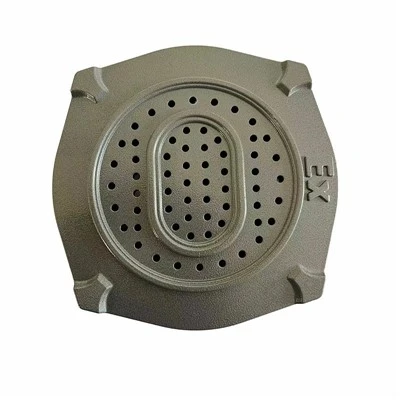
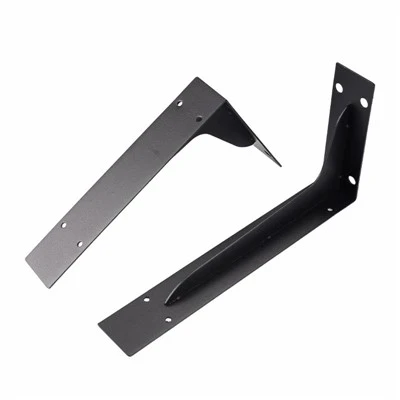
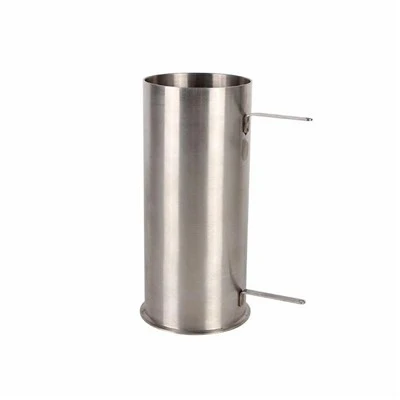


Optimized Bend Sequences: Improves structural stability and dimensional accuracy.
Minimized Welding & Hardware Optimization: Reduces labor costs and aesthetic defects.
Enhanced Internal Access: Simplifies cable routing, airflow paths, and field servicing.
Material Utilization: Minimizes waste to keep production costs competitive.
Engineered to Meet Demanding Healthcare Standards
High-Precision Fit for Seamless Assembly
Precision laser cutting, CNC punching, and CNC bending keep tight tolerances across every batch. This ensures flawless alignment for internal PCBs, touchscreens, connectors, and sensors—eliminating manual adjustments on your assembly line.
EMI Shielding & Thermal Management
Protect sensitive electronics from interference and overheating. Custom enclosures incorporate conductive contact surfaces, EMI gasket interfaces, custom ventilation patterns, fan mounts, and integrated heat-sink brackets.
Hygienic & Easy-to-Clean Finishes
Medical housings undergo frequent chemical disinfection. We provide corrosion-resistant, smooth, and durable surface treatments engineered to withstand harsh cleaning agents and daily wear.
Rugged Mechanical Protection
Reinforced bends, hidden fastening systems, internal support brackets, and removable service panels safeguard expensive components during transport and heavy daily operation.
Manufacturing Capabilities, Materials & Finishes
Materials & Surface Treatments
|
Material Category |
Common Grades |
Key Advantages & Applications |
|
Stainless Steel |
SUS304, SUS316, SUS430 |
Superior corrosion resistance and cleanability. Essential for sterile clinical environments. |
|
Aluminum |
AL 5052, 6061, 6063 |
Lightweight with excellent thermal conductivity and EMI performance. Ideal for portable or compact equipment. |
|
Cold Rolled Steel |
SPCC / Commercial Steel |
High structural strength and cost-effectiveness for heavy-duty stationary equipment housings. |
Available Finishes: Powder Coating, Anodizing, Passivation, Electropolishing, Brushed Finish, Sandblasting, Silk-Screen Printing, and Laser Engraving.
Core Fabrication Processes
Cutting & Forming: Fiber Laser Cutting, CNC Punching, Precision Bending, Deep Drawing, Stamping
Joining & Assembly: TIG / MIG / Spot Welding, PEM Hardware Insertion, Riveting, Mechanical Sub-Assembly
Quality Control & Regulatory Compliance
Material Inspection
Raw material verification & mill test reports (MTR)
In-Process Precision Check
First Article Inspection (FAI) and optical/CMM dimensional checks
Final QA
Hardware torque testing, surface finish inspection, assembly fit test, and secure export packaging
Applications
Patient Monitoring Systems & Diagnostic Devices
Laboratory Instruments & Clinical Testing Analyzers
Medical Imaging & Surgical Equipment
Biotechnology & Pharmaceutical Processing Units
We are one of the most experienced medical & instrument enclosures manufacturers and suppliers in China. With a professional production team, we are able to meet the needs of the majority of our customers. Please rest assured to buy customized medical & instrument enclosures made in China here from our factory. Also, OEM service is available.
