

Your Professional Stamped Parts Manufacturer!
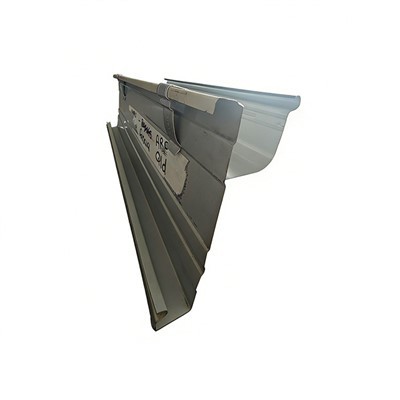
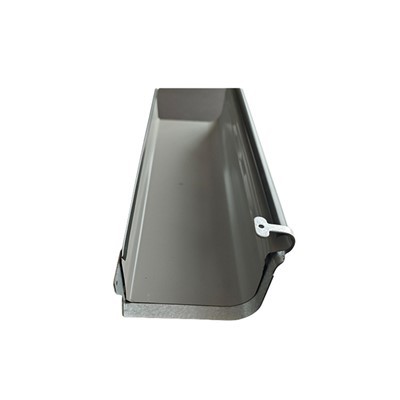
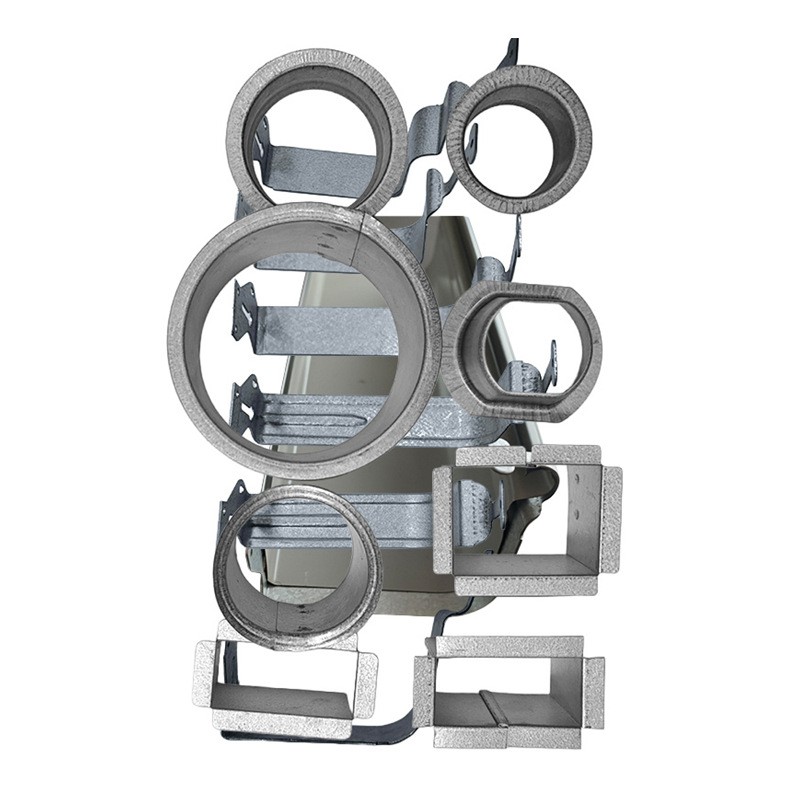
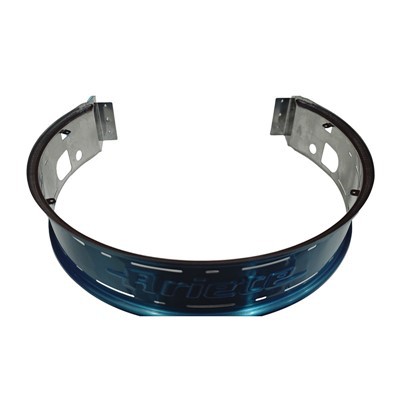
The company, formerly Yuyao Jinniu Stamping Parts Factory, has been deeply rooted in the mold industry for many years, specializing in the professional design and precision manufacturing of core products such as stamping molds, deep drawing molds, and progressive dies.Our Product: Architectural hardware fittings, automotive hardware fittings, small appliance hardware fittings, micro-motor hardware fittings, furniture hardware fittings, shelving hardware fittings.



Why Choose Us
Rich Experience
Our core team is led by senior engineers with over ten years of experience in the industry, supported by professional equipment such as high-precision CNC machining centers and fully automated stamping production lines.
Wide Application Of Technology
We precisely match customer drawings or sample requirements, providing customized hardware solutions from design optimization to mass production.
standardized production
EOur products are exported to core markets in Europe and Eastern Europe, including Australia, Russia, and Germany, earning high recognition from international customers for our stable quality and efficient delivery capabilities.
Stamped parts are components created by feeding flat sheet metal into a press, where custom dies cut, bend, and shape the material into precise, highly repeatable forms. This cost-effective, high-volume manufacturing method delivers tight tolerances across thousands of identical units.

Application
Body & Chassis Panels: Fenders, hoods, and door panels require large-scale drawing and stamping.
Electric Vehicles (EVs): Specialized brackets, battery enclosures, and internal motor laminations.
Engine & Trim Components: Engine mounts, heat shields, interior decorative panels, and seat belt mechanisms.
Connectors & Terminals: Micro-stamped copper and brass used for reliable electrical conductivity.
Shielding & Heat Sinks: RFI/EMI shields and thermal management plates used in mobile phones, computers, and appliances.
Consumer Gadgets: Metal frames for headphones, speakers, and handheld controllers.
Surgical Tools: High-precision, disposable, and reusable surgical instruments.
Diagnostic Equipment: Durable, sterile housings for imaging and monitoring devices.
Hardware & Fasteners: Structural brackets, clips, trusses, and panel fastening systems that demand high weight-bearing load capacities.
Appliances: Internal components and structural housings for HVAC systems, refrigerators, and washing machines.
Industrial & AgricultureHeavy Machinery: Friction plates, engine bases, and gears designed to withstand extreme environments.
Robotics: Structural support elements, sensor brackets, and robotic arm end effectors.
Material Compatibility
Parts can be stamped from various materials from soft aluminum alloys to hard materials like steel. we offer the following materials for the metal stamping process:
|
Material Category |
Grade / Alloy |
Description / Common Name |
|
Aluminum |
Alloy 1100-O |
Commercially pure aluminum with excellent corrosion resistance and formability |
|
Alloy 2024 |
High-strength aerospace-grade aluminum alloy |
|
|
Alloy 3003 |
General-purpose aluminum with good workability and corrosion resistance |
|
|
Alloy 5052 |
Marine-grade aluminum with excellent corrosion resistance and weldability |
|
|
Carbon Steel |
1008 |
Low-carbon steel with excellent formability |
|
1010 |
Mild steel commonly used for fabrication and forming |
|
|
1018 |
Medium low-carbon steel with improved machinability and strength |
|
|
Stainless Steel |
301 |
Austenitic stainless steel with high strength and good corrosion resistance |
|
304 |
General-purpose stainless steel with excellent corrosion resistance |
|
|
316 / 316L |
Stainless steel with enhanced corrosion resistance for harsh environments |
|
|
Copper |
C110 |
High-conductivity electrolytic tough pitch (ETP) copper |
|
Brass |
230 (85/15) |
Also known as “Red Brass” |
|
Brass |
260 (70/30) |
Also known as “Yellow Brass” |
Craftsmanship
Metal Stamping Pressing
There are several different types of stamping presses, all of which have the same function. The press has a ram that applies downward force against the sheet of metal that rests on the bed of the press.
Forces in Stamping
Presses take several shapes and forms and depend on some type of power to provide stamping force. Mechanical presses exert force using a flywheel, single gear design, double gear design, or some form of eccentric gear design. Hydraulic presses are powered by a hydraulic pump and hydraulic cylinder that drive the ram downward.
Stamping Dies
Stamping dies shape a metal sheet using a punch that pushes the metal sheet through the die. Punches can be single or multistage depending on the requirements of the final part. With single-stage (or single-stroke) stamping presses, one stroke of the ram produces the desired shape. Multistage stamping presses shape a metal sheet with progressive stamping.
Finishing Options for Metal Stamping
Parts produced using metal stamping are subjected to secondary processes designed to plate, clean, heat treat, or deburr the finished piece. There are several different value added services based on one's metal-stamping part requirements.

Services & Capabilities
Design and Engineering
Advanced Design Engineering. Advanced software tools such as EdgeCAM and AutoCAD allow us to work with complex prototypes, new or existing product redesigns. or reverse engineering methods to produce the desired product.
Comprehensive Tooling Approach. Our expertise helps us offer optimal material and tool matching, run sizing, and specification assessments to ensure designs meet all cost constraints and address project-specific needs.
Prototyping Services. AIC provides prototyping services for our stamped metal components, including refinement and testing of the design before production begins.
Metal Stamping Techniques
Bending
Blanking
Coining
Forming
Piercing
Progressive Die Stamping
Shallow Draw Stamping
Secondary Operations
De-Burring
Drilling
Grinding
Heat Treating
Machining
Painting
Plating
Riveting
Tapping
Welding
Volume Flexibility
Company can handle orders of any size, from short runs to large-scale manufacturing.
Package & Delivery
1. Package: Standard export package or Custom
2. Delivery: By air express, by sea

fAQ
We are one of the most experienced stamped parts manufacturers and suppliers in China. With a professional production team, we are able to meet the needs of the majority of our customers. Please rest assured to buy customized stamped parts made in China here from our factory. Also, OEM service is available.
