The Wide Range of Applications for Hardware Components
Hardware components are integral to the design and functionality of products across a broad spectrum of industries. From construction to automotive manufacturing, home appliances to furniture, these components are essential in providing the necessary support, performance, and longevity to products. By understanding the specific needs of each industry, manufacturers are able to produce specialized hardware components that meet the exact requirements of their applications.
In the construction industry, hardware components like fasteners, anchors, and supports are critical to the integrity and safety of buildings and infrastructure. For example, structural bolts are essential for holding together steel beams in large-scale construction projects, while expansion joints allow for the natural movement of materials, preventing cracks in concrete. These parts must be able to withstand heavy loads, environmental conditions, and physical stress. In addition, construction hardware must meet strict safety standards to ensure the safety of workers and end-users alike.
Automotive manufacturing is another industry that relies heavily on hardware components. Every vehicle contains thousands of hardware parts, including fasteners, brackets, suspension components, engine mounts, and more. These parts ensure the vehicle's performance, safety, and reliability. For instance, automotive fasteners must be able to withstand high temperatures, vibrations, and corrosion. Similarly, suspension components like shock absorbers and control arms are critical for maintaining vehicle stability and comfort. As automotive technologies advance, particularly with the rise of electric and autonomous vehicles, the demand for specialized, high-performance hardware components increases.
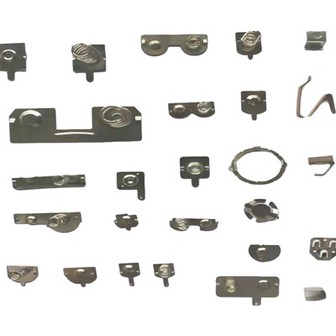
The home appliance industry also depends on hardware components to ensure product durability and performance. Small appliances such as toasters, coffee machines, and vacuum cleaners require a variety of hardware parts, such as gears, hinges, and electrical connectors. These parts ensure that appliances function smoothly and have a long lifespan, even under continuous use. Similarly, large appliances like refrigerators and washing machines rely on hardware components to enhance energy efficiency, reduce noise, and improve overall functionality. Manufacturers are increasingly focused on creating components that are not only durable but also energy-efficient, aligning with consumer preferences for sustainable products.
In the furniture industry, hardware components are used to improve the functionality and design of products. Hinges, drawer slides, brackets, and locks are common components found in furniture, allowing for easy assembly and use. High-quality furniture hardware ensures that items are durable, easy to operate, and aesthetically pleasing. For example, self-closing hinges in kitchen cabinets ensure convenience and safety, while heavy-duty drawer slides enhance the usability of office furniture and storage units.
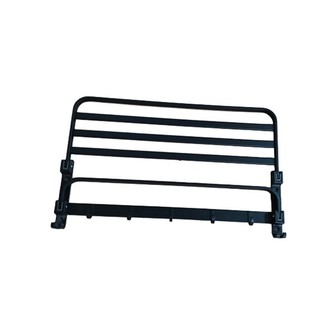
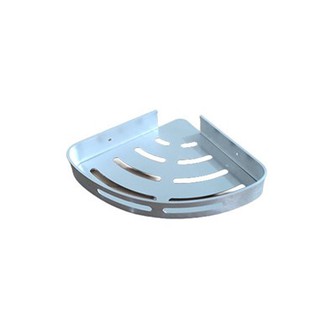
Shelving systems in warehouses and retail environments also require robust hardware components. Shelving brackets, supports, and connectors must be designed to carry heavy loads while remaining stable and secure. Whether used for displaying products in a store or organizing inventory in a warehouse, these hardware components must offer superior strength, ease of assembly, and adjustability to meet the needs of diverse environments.
As industries evolve and consumer expectations increase, the demand for specialized, high-quality hardware components continues to grow. Whether for construction, automotive, home appliances, furniture, or shelving systems, hardware components are essential for ensuring product functionality, safety, and longevity. The versatility of these components makes them indispensable in virtually every sector.