

What is the cost of stamping auto parts?
Hey there! As a supplier of Stamping Auto Parts, I've been in the game for quite a while, and I often get asked about the cost of stamping auto parts. So, I thought I'd break it down for you in this blog post.
Let's start with the basics. Stamping auto parts is a manufacturing process where flat sheets of metal are transformed into various shapes and sizes using stamping presses. These parts are used in a wide range of automotive applications, from engine components to body panels.

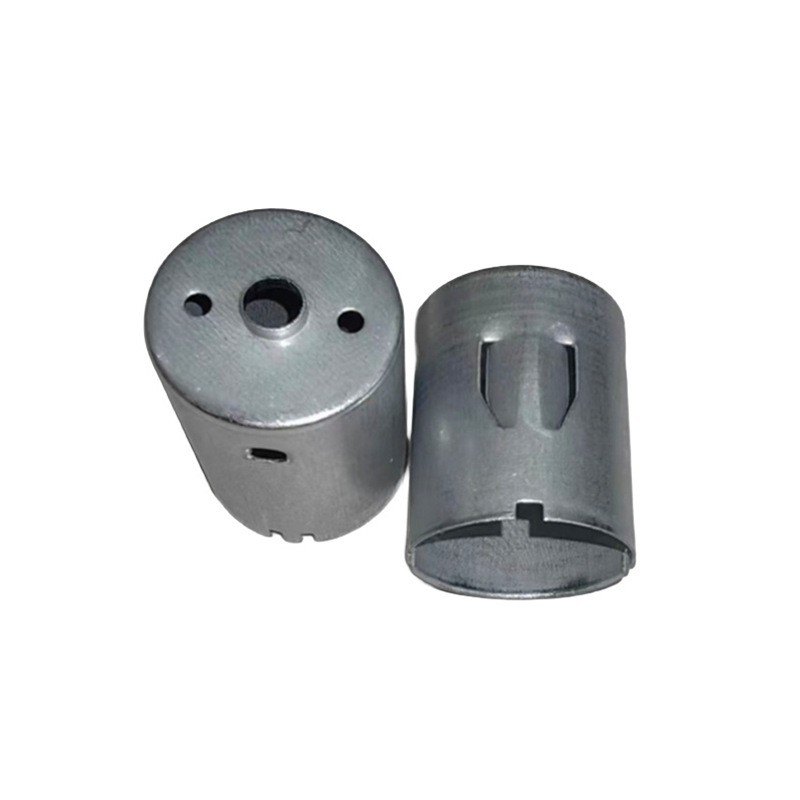
The cost of stamping auto parts can vary significantly depending on several factors. One of the primary factors is the type of material used. Different metals have different costs, and some are more expensive than others. For example, steel is a commonly used material in stamping auto parts due to its strength and durability. However, the cost of steel can fluctuate based on market conditions. On the other hand, aluminum is another popular choice, especially for parts that require lightweight properties. You can check out our Aluminum Motor Housing for more details on aluminum-based stamping parts.
Another factor that affects the cost is the complexity of the part design. Parts with intricate shapes and detailed features require more advanced stamping techniques and tools, which can increase the production cost. For instance, a simple flat bracket will be less expensive to stamp than a complex engine component with multiple bends and contours.
The quantity of parts being produced also plays a crucial role in determining the cost. Generally, the more parts you order, the lower the cost per unit. This is because the setup costs, such as tooling and die-making, are spread out over a larger number of parts. So, if you're planning to order a large quantity of Stamping Auto Parts, you can expect a more favorable price.
Labor costs are another significant factor. Skilled workers are required to operate the stamping presses and ensure the quality of the parts. The cost of labor can vary depending on the location of the manufacturing facility and the level of expertise required. In some regions, labor costs may be higher due to factors such as higher living standards or stricter labor regulations.
In addition to these factors, there are also other costs associated with stamping auto parts, such as raw material handling, quality control, and shipping. These costs can add up and impact the overall price of the parts.
Let's take a closer look at some of the specific costs involved in stamping auto parts.
Tooling Costs
Tooling is an essential part of the stamping process. It includes the design and fabrication of dies, which are used to shape the metal sheets. Tooling costs can be quite significant, especially for complex parts. The cost of tooling depends on factors such as the size and complexity of the die, the material used, and the manufacturing process. Once the tooling is created, it can be used to produce multiple parts, but the initial investment can be substantial.
Material Costs
As mentioned earlier, the type of material used has a significant impact on the cost. In addition to the cost of the raw material itself, there are also costs associated with material handling and waste. For example, if a large amount of scrap is generated during the stamping process, it can increase the overall cost.
Labor Costs
Labor costs include the wages of the workers involved in the stamping process, as well as any additional costs such as benefits and training. Skilled workers are required to operate the stamping presses and ensure the quality of the parts. The cost of labor can vary depending on the location of the manufacturing facility and the level of expertise required.
Overhead Costs
Overhead costs include expenses such as rent, utilities, equipment maintenance, and administrative costs. These costs are necessary to keep the manufacturing facility running and can add up over time.
Now that we've discussed the various factors that affect the cost of stamping auto parts, let's talk about how you can reduce these costs.
Optimize the Design
One of the most effective ways to reduce the cost of stamping auto parts is to optimize the design. By simplifying the design and reducing the number of features, you can reduce the complexity of the stamping process and lower the tooling costs. Additionally, using standard shapes and sizes can also help reduce costs.
Choose the Right Material
Selecting the right material for your stamping parts is crucial. You need to consider factors such as strength, durability, weight, and cost. By choosing a material that meets your requirements while also being cost-effective, you can reduce the overall cost of the parts.
Increase Production Volume
As mentioned earlier, the more parts you order, the lower the cost per unit. By increasing the production volume, you can spread the setup costs over a larger number of parts and achieve economies of scale.
Work with a Reputable Supplier
Working with a reputable supplier is essential to ensure the quality and cost-effectiveness of your stamping auto parts. A good supplier will have the expertise and experience to optimize the manufacturing process and provide you with high-quality parts at a competitive price. You can check out our Miniature Motor Housing to see some of the high-quality parts we offer.
In conclusion, the cost of stamping auto parts can vary depending on several factors, including the type of material, the complexity of the design, the quantity of parts, labor costs, and overhead costs. By understanding these factors and taking steps to optimize the manufacturing process, you can reduce the cost of your stamping auto parts.
If you're interested in purchasing stamping auto parts, I'd be more than happy to discuss your requirements and provide you with a quote. Feel free to reach out to me, and we can start the conversation about how we can meet your needs.
References
- Industry reports on automotive manufacturing costs
- Research on metal stamping processes and materials