

How to improve the anti - oxidation ability of micro motor stamping parts?
In the realm of micro motor manufacturing, the anti - oxidation ability of stamping parts is of paramount importance. As a dedicated micro motor stamping parts supplier, I've witnessed firsthand the impact of oxidation on the performance and longevity of these components. In this blog, I'll share some effective strategies to enhance the anti - oxidation ability of micro motor stamping parts.
Understanding the Oxidation Mechanism
Before delving into the solutions, it's crucial to understand how oxidation occurs in micro motor stamping parts. Oxidation is a chemical reaction between the metal surface of the stamping parts and oxygen in the air. This reaction forms metal oxides, which can lead to surface corrosion, reduced conductivity, and ultimately, a decline in the performance of the micro motor.
The rate of oxidation is influenced by several factors, including the type of metal used, environmental conditions (such as humidity and temperature), and the presence of contaminants. For example, metals like iron and steel are more prone to oxidation compared to aluminum. High humidity and elevated temperatures can accelerate the oxidation process, while contaminants such as salts and acids can act as catalysts.
Material Selection
One of the most fundamental ways to improve the anti - oxidation ability of micro motor stamping parts is through proper material selection. Different metals have varying degrees of resistance to oxidation.
Aluminum is an excellent choice for micro motor stamping parts due to its natural oxide layer. When exposed to air, aluminum forms a thin, protective oxide layer that prevents further oxidation. This oxide layer is self - healing, meaning that if it is damaged, it will reform quickly. You can explore our Aluminum Motor Housing for more details on how aluminum can be used in micro motor components.
Stainless steel is another option. It contains chromium, which forms a passive oxide layer on the surface. This layer is highly resistant to corrosion and oxidation, making stainless steel a reliable choice for applications where anti - oxidation is critical.
Surface Treatment
Surface treatment is a key strategy to enhance the anti - oxidation ability of micro motor stamping parts. There are several surface treatment methods available, each with its own advantages.
Electroplating
Electroplating involves depositing a thin layer of metal onto the surface of the stamping part. This can be done with metals such as nickel, zinc, or chromium. Nickel plating provides excellent corrosion resistance and a smooth finish. Zinc plating is often used for its sacrificial protection, where the zinc corrodes first, protecting the underlying metal. Chromium plating not only offers anti - oxidation properties but also enhances the hardness and wear resistance of the stamping part.
Anodizing
Anodizing is a process commonly used for aluminum stamping parts. It involves creating an oxide layer on the surface of the aluminum through an electrochemical process. The anodized layer is thicker and more durable than the natural oxide layer, providing enhanced protection against oxidation. Anodizing can also be used to add color to the stamping parts, which can be aesthetically appealing.
Passivation
Passivation is a chemical treatment that removes free iron and other contaminants from the surface of the metal, leaving behind a clean, oxide - rich surface. This treatment is particularly effective for stainless steel stamping parts, as it enhances the formation of the passive oxide layer, improving its anti - oxidation ability.
Coating Application
Applying a protective coating is another effective way to improve the anti - oxidation ability of micro motor stamping parts. There are various types of coatings available, including organic coatings, inorganic coatings, and composite coatings.
Organic Coatings
Organic coatings, such as paints and enamels, provide a physical barrier between the metal surface and the environment. They can be formulated to have specific properties, such as resistance to chemicals, UV radiation, and abrasion. Organic coatings are relatively easy to apply and can be customized to meet the specific requirements of the micro motor stamping parts.
Inorganic Coatings
Inorganic coatings, such as ceramic coatings, offer high - temperature resistance and excellent anti - oxidation properties. These coatings are often used in applications where the stamping parts are exposed to harsh environments or high temperatures.
Composite Coatings
Composite coatings combine the advantages of organic and inorganic materials. They can provide a high level of protection against oxidation, as well as other properties such as wear resistance and electrical insulation.
Environmental Control
Controlling the environment in which the micro motor stamping parts are stored and used can also help improve their anti - oxidation ability.
Humidity Control
High humidity can accelerate the oxidation process. Therefore, it's important to store the stamping parts in a dry environment. Using dehumidifiers in storage areas can help maintain a low humidity level, reducing the risk of oxidation.
Temperature Control
Elevated temperatures can also increase the rate of oxidation. Keeping the stamping parts at a moderate temperature can help slow down the oxidation process. In addition, proper ventilation can help dissipate heat and prevent the build - up of moisture.
Quality Control and Inspection
Implementing a rigorous quality control and inspection process is essential to ensure that the micro motor stamping parts have a high anti - oxidation ability. This includes inspecting the parts for any signs of oxidation during the manufacturing process, as well as after they are finished.
Regular inspections can help detect any early signs of oxidation, allowing for timely corrective actions. This can include re - treating the parts or replacing them if necessary.

Conclusion
Improving the anti - oxidation ability of micro motor stamping parts is a multi - faceted process that involves material selection, surface treatment, coating application, environmental control, and quality control. By implementing these strategies, we can ensure that our micro motor stamping parts have a long service life and high performance.
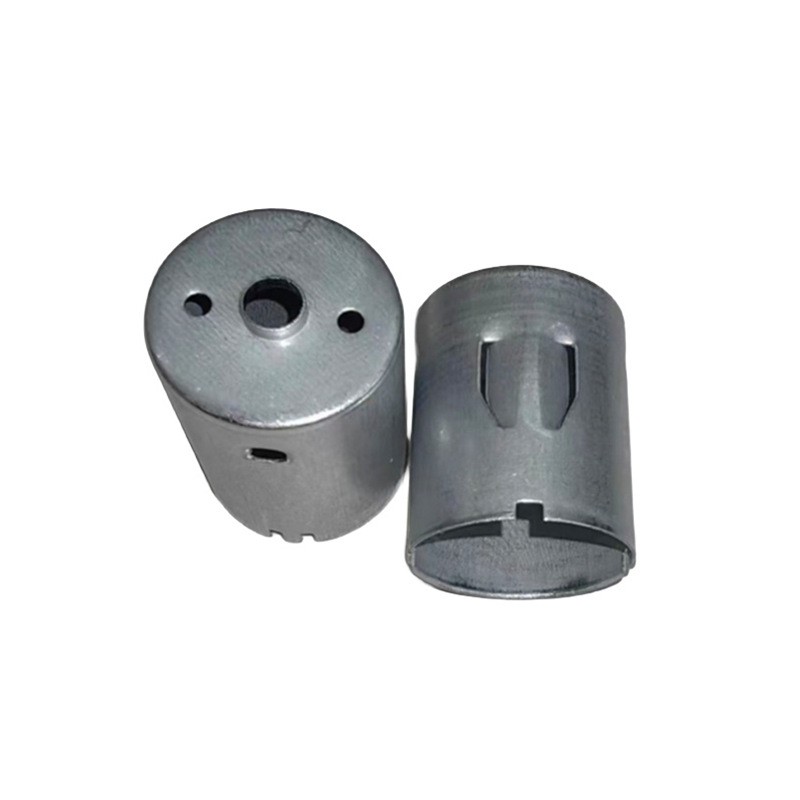
As a micro motor stamping parts supplier, we are committed to providing high - quality products that meet the needs of our customers. Whether you are looking for Aluminum Motor Housing, Stamping Auto Parts, or Miniature Motor Housing, we have the expertise and resources to deliver.
If you are interested in our products or have any questions about improving the anti - oxidation ability of micro motor stamping parts, please feel free to contact us for procurement and further discussions.
References
- Metals Handbook, Volume 13: Corrosion, ASM International
- Surface Engineering for Corrosion and Wear Protection, CRC Press
- Electroplating Engineering Handbook, McGraw - Hill