


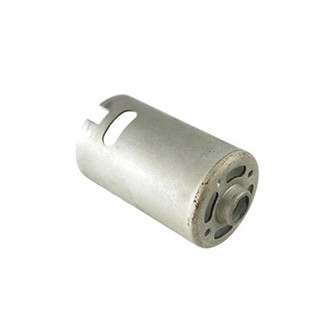
Metal Heat Sink Enclosures & Housings
As modern electronics deliver higher power density in increasingly compact footprints, effective thermal management is essential to maintaining performance, extending component lifespan, and ensuring operational reliability.
Product Introduction
As modern electronics deliver higher power density in increasingly compact footprints, effective thermal management is essential to maintaining performance, extending component lifespan, and ensuring operational reliability.
Why OEM/ODM Buyers Choose Us
Accelerated Time-to-Market: Fast prototype turnarounds (3–7 days) to speed up your validation cycle.
Engineering-Led Support: Free Design for Manufacturability (DFM) reviews to catch potential production issues before tooling investments.
Consistent Batch Quality: ISO-certified manufacturing process ensuring strict lot-to-lot repeatability.
Reliable Global Shipping: Export-grade protective packaging designed to prevent transit damage.
Strategic Design & Engineering Considerations
Thermal Dynamics & Airflow: Matching fin geometry and orientation with natural or forced convection airflow.
Structural Strength vs. Weight: Optimizing wall thickness and reinforcement ribs to maximize durability while minimizing total weight.
DFM (Design for Manufacturability): Refining bend radii, hole clearances, and tool paths early to eliminate secondary fitting adjustments and reduce mass-production costs.
Material Selection Guide
Aluminum Alloys (Primary Choice for Thermal Efficiency)
Aluminum 6061 / 6063: Excellent thermal conductivity and structural strength; ideal for CNC machining and heavy-duty enclosures.
Aluminum 5052: Superior formability and corrosion resistance; ideal for complex sheet metal bending.
Aluminum 1050 / 3003: Highest thermal conductivity options for high-heat applications with moderate mechanical stress requirements.
Stainless Steel & Cold-Rolled Steel
Stainless Steel (304 / 316): Best for harsh, outdoor, or corrosive environments where extreme durability takes priority over maximum heat transfer.
Cold-Rolled Steel (SPCC): Cost-effective option for structural housings with moderate thermal management demands.
Comprehensive Manufacturing Capabilities
Precision CNC Machining: Surface milling and hole features to tolerances up to ±0.01 mm.
Sheet Metal Stamping & Deep Drawing: High-efficiency forming for lightweight, high-volume enclosures.
Laser Cutting & Precision Bending: Clean edges and accurate bending angles without surface distortion.
Hardware Insertion: Automated installation of studs, standoffs, and threaded inserts.
Advanced Joining: TIG, MIG, and robotic laser welding for durable, dust-tight assemblies.
Surface Finishes & Thermal Radiation Options
Black Anodizing (Recommended): Increases thermal radiation efficiency while providing high corrosion and wear resistance.
Clear & Hard Anodizing: Superior wear protection for harsh outdoor or industrial environments.
Powder Coating: High-impact, durable aesthetic coating for exposed housings.
Conductive Plating: Passivation, electroless nickel, and zinc plating for reliable electrical grounding contact points.
Strict Quality Assurance (QA/QC)
Raw Material Certification: Spectrometer material composition verification (RoHS / REACH compliant).
In-Process CMM Inspection: Coordinate Measuring Machine verification for critical dimensions and hole positions.
Surface Flatness Check: Optical testing on thermal contact zones to guarantee proper contact.
Thread & Hardware Verification: Go/No-Go gauge testing for all tapped holes and installed hardware.
Final Assembly Fit Test: Pre-shipment visual and fit inspections prior to export packaging.
Target Applications
Power Electronics: Variable Frequency Drives (VFDs), Inverters, Servo Drives, Power Supplies
Renewable Energy & Automotive: Battery Management Systems (BMS), Energy Storage Systems (ESS), EV Charging Modules
Telecommunications: 5G Base Station Housings, Outdoor Routers, Optical Transceivers
Industrial Automation: Embedded Edge Computers, PLC Controllers, High-Power LED Drivers
FAQ
Hot Tags: metal heat sink enclosures & housings, China metal heat sink enclosures & housings manufacturers, suppliers, factory, Alarm Clock Housing, Cold Formed Parts, Copper Drawn Parts, Copper Sink Waste, deep drawn parts, Drawn Ice Cup
You Might Also Like




Send Inquiry
