

What types of stamping dies are used for small parts?
Hey there! As a supplier of stamping small parts, I've seen firsthand the wide variety of stamping dies used in the industry. In this blog, I'll share with you the different types of stamping dies commonly used for small parts and how they work.
Progressive Dies
Progressive dies are one of the most popular types of stamping dies for small parts. These dies are designed to perform multiple operations in a single stroke as the strip of metal moves through the die. Each station in the progressive die performs a different operation, such as punching, bending, or forming. This allows for high - speed production and precise part manufacturing.

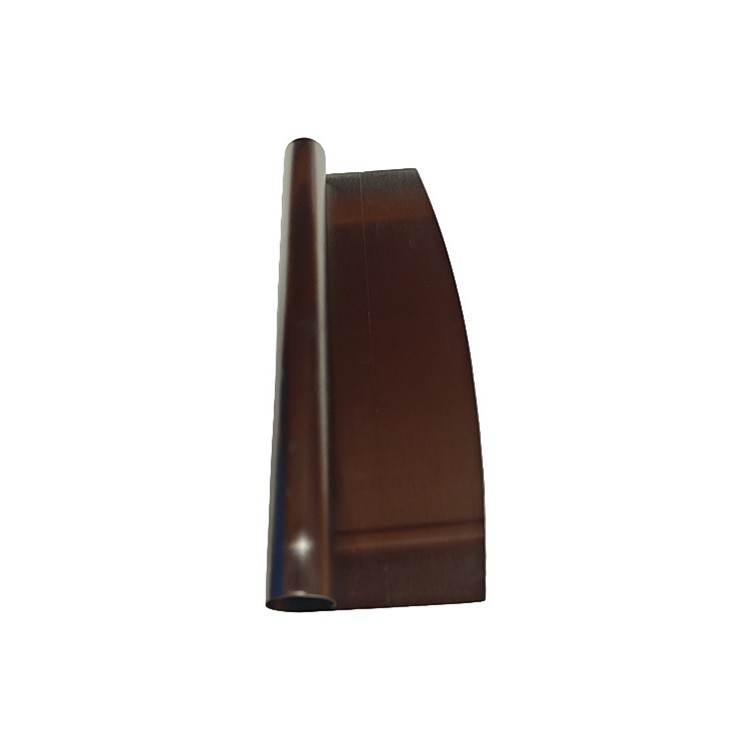
For example, when we're making small appliance accessories Appliance Accessories, progressive dies are a great choice. They can quickly and accurately produce parts with complex shapes, like small brackets or clips. The advantage of progressive dies is that they can produce a large number of parts in a short time, which is cost - effective for high - volume production.
Compound Dies
Compound dies are another important type of stamping die. Unlike progressive dies, compound dies perform multiple operations in one stroke at a single station. This means that all the cutting, forming, and punching operations happen simultaneously.
Compound dies are ideal for small parts that require high precision. For instance, when making small pizza peel and cutter parts Pizza Peel and Cutter, compound dies can ensure that the parts are cut and shaped accurately in one go. The downside is that compound dies are more expensive to make compared to progressive dies, but they offer excellent accuracy for small - scale production or parts with tight tolerances.
Blanking Dies
Blanking dies are used to cut out a flat piece of metal from a larger sheet. This is the first step in many stamping processes. The blanked part can then be further processed through other operations.
Blanking dies are simple in design but very important. They are used for a wide range of small parts, from simple washers to more complex shapes. For example, when we're making small pizza oven trim rings Pizza Oven Trim Ring, the blanking die is used to cut out the basic circular shape from the metal sheet. After blanking, the part can be further formed or finished as needed.
Bending Dies
Bending dies are used to bend the metal parts into the desired shape. These dies come in various types, such as V - dies, U - dies, and channel dies. The choice of bending die depends on the shape and angle of the bend required.
When making small parts, bending dies are crucial for creating parts with different geometries. For example, small brackets or clips often need to be bent at specific angles. Bending dies ensure that the bends are accurate and consistent, which is essential for the proper functioning of the parts.
Forming Dies
Forming dies are used to shape the metal into complex three - dimensional shapes. This can include deep drawing, embossing, or coining. Forming dies are more complex than other types of dies and require careful design and engineering.
For small parts, forming dies can be used to create parts with unique shapes, such as small cups or domes. These dies are often used in the production of parts for electronics or automotive applications, where the parts need to fit precisely into a larger assembly.
Factors to Consider When Choosing Stamping Dies
When choosing the right stamping die for small parts, there are several factors to consider.
Part Complexity: If the part has a simple shape, a blanking or bending die might be sufficient. But for parts with complex shapes, progressive or compound dies may be needed.
Production Volume: For high - volume production, progressive dies are usually the best choice as they can produce parts quickly and efficiently. For low - volume production, compound dies or single - operation dies may be more cost - effective.
Material Type: Different materials have different properties, such as hardness and ductility. The stamping die needs to be designed to work with the specific material. For example, harder materials may require stronger and more durable dies.
Tolerance Requirements: Parts with tight tolerances require more precise dies. Compound dies are often used for parts that need high accuracy.
Our Experience as a Small Parts Supplier
As a supplier of stamping small parts, we've worked with all these types of stamping dies. We understand the importance of choosing the right die for each project. We have a team of experienced engineers who can design and manufacture the stamping dies according to the specific requirements of our customers.
We've worked on a wide range of projects, from small appliance accessories to pizza - related parts. Our goal is to provide high - quality parts at a competitive price. We use the latest technology and equipment to ensure that our stamping processes are efficient and accurate.
Contact Us for Your Stamping Needs
If you're in the market for stamping small parts, we'd love to hear from you. Whether you need a small batch of parts for a prototype or a large - scale production run, we have the expertise and resources to meet your needs. Contact us to discuss your project and get a quote. We're committed to providing excellent customer service and delivering high - quality parts on time.
References
- "Stamping Die Design Handbook"
- "Metal Stamping Technology"
- Industry research reports on stamping processes and dies